Inveon
Jan 2, 2026
Description
Omnichannel Commerce Experience: Definition, Benefits, and 2026 Best Practices
PLATFORMS MENTIONED
What It Is, Why It Matters, and How Brands Win
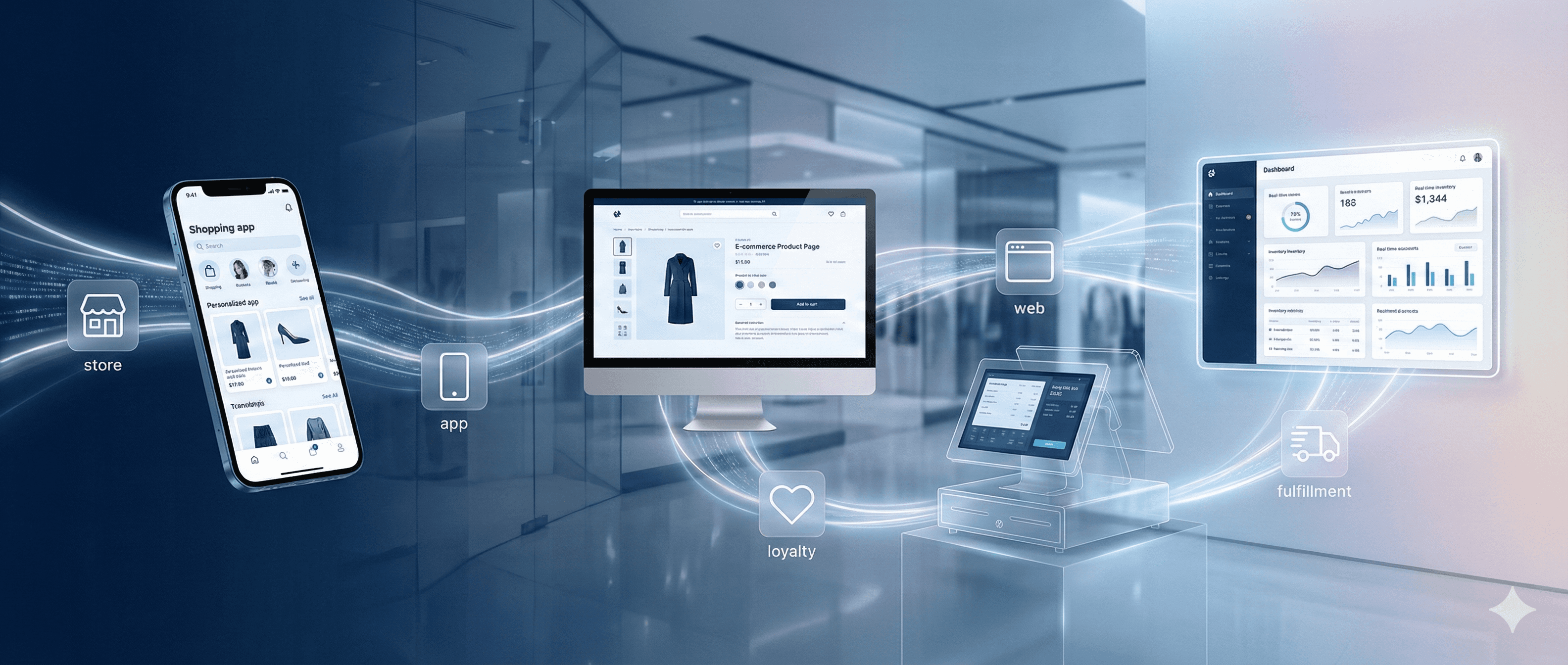
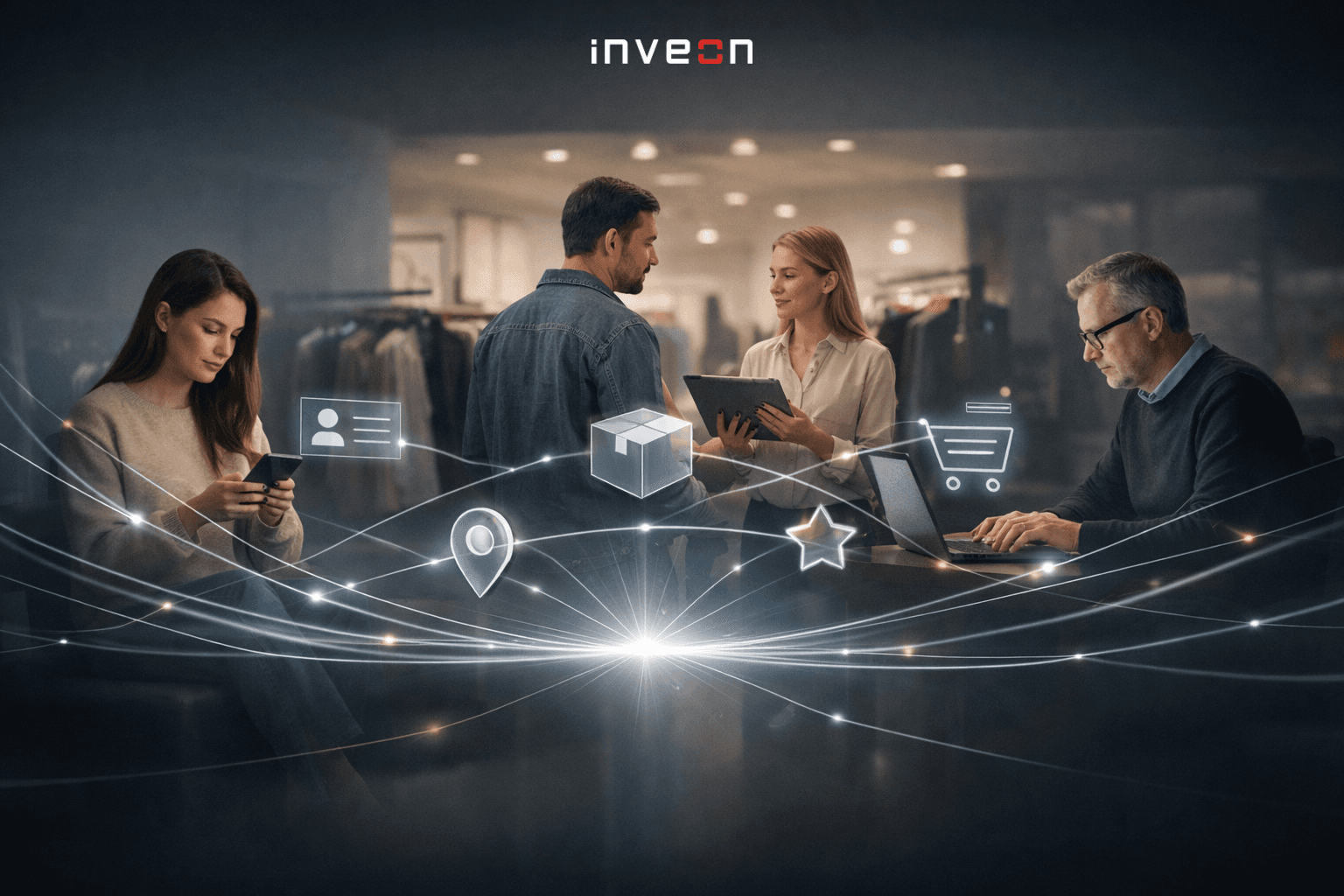
Omnichannel commerce experience means creating a shopping journey that feels connected and consistent wherever the customer interacts with a brand. Website, mobile app, marketplace, social media, customer service, and physical stores all work together as one experience. The customer does not repeat themselves. Their preferences, cart, history, and loyalty benefits follow them naturally.
In 2026, this is no longer a differentiator. It is an expectation.
Customers already assume that brands recognize them across channels. They expect the product they viewed on mobile to appear on desktop. They expect customer service to know their order history. They expect loyalty benefits to apply everywhere. When this does not happen, the experience feels broken, even if each channel works well on its own.
Omnichannel commerce is not about being present on many channels. It is about making those channels behave like one system.
Why omnichannel matters more in 2026
Customer behavior has changed faster than most commerce infrastructures. People move between devices, platforms, and physical spaces throughout the day. They might discover a product on social media, research it on a website, check reviews on a marketplace, and complete the purchase in an app or store.
When these touchpoints are disconnected, brands lose trust, time, and revenue.
Brands that deliver a strong omnichannel experience see higher conversion rates, higher average order value, and stronger loyalty. Customers who shop across multiple channels tend to spend more and return more often. More importantly, they expect less effort from the brand side. They want things to work.
In 2026, omnichannel directly impacts growth because it reduces friction at every stage of the customer journey.
The foundation of omnichannel commerce
At the core of omnichannel commerce is a unified customer view. This means customer identity, preferences, purchase history, loyalty status, and service interactions are connected in one place. Without this foundation, personalization and continuity are not possible.
A unified data layer allows brands to understand context. Context is what enables relevance. Relevance is what customers respond to.
On top of this foundation sits orchestration. Orchestration means decisions are aligned across channels. Pricing, availability, promotions, messaging, and fulfillment are not decided separately for web, app, or store. They are coordinated based on the same logic and data.
This is where many brands struggle. They connect channels technically but operate them separately. Customers feel the gap immediately.
The role of AI in omnichannel commerce
In 2026, omnichannel systems rely heavily on AI-assisted decision making. Not to replace humans, but to support speed and scale.
AI helps brands understand intent in real time. It supports product recommendations, content relevance, service routing, and campaign optimization. It reduces manual effort while improving consistency across channels.
From a GEO perspective, this matters because AI-driven platforms are also better at structuring data in ways that search engines and generative systems can understand. Clean product data, consistent attributes, and clear context help brands stay visible in AI-generated answers and recommendations.
Mobile apps and loyalty as experience drivers
Mobile apps play a critical role in omnichannel commerce. They act as a continuous identity layer where customers can be recognized instantly. Apps enable faster journeys, deeper personalization, and stronger loyalty experiences.
Loyalty in 2026 is not a points system. It is how often a brand remembers the customer and delivers value without friction. When loyalty is built into the app, checkout, service, and communication, it feels natural rather than forced.
Brands that treat apps and loyalty as side projects struggle to create real continuity. Brands that treat them as core experience layers see higher lifetime value.
Omnichannel versus multichannel
Multichannel commerce means selling through many channels. Omnichannel commerce means those channels share context and intelligence.
In a multichannel setup, customers repeat information. In an omnichannel setup, the brand remembers. This difference is simple but powerful, and customers notice it immediately.
A realistic omnichannel experience
A customer browses a product on a brand’s website but does not purchase. Later, they open the mobile app and see the same product with size availability and delivery options tailored to their location. They add it to cart.
When they contact customer service with a question, the agent already knows what they viewed and what is in their cart. If they visit a physical store, the experience continues without interruption. After purchase, loyalty benefits apply automatically and support is available through the same channels without repetition.
This is not futuristic. This is what customers already expect.
Want to see what a real omnichannel commerce experience looks like in practice?
Get in touch with Inveon to explore how connected data, AI-supported decisioning, and mobile-first journeys can work together for your brand.